
Commercial LED Lighting Retrofit: A Typical Moline Project
A lighting retrofit is the upgrade a business notices on the floor the same week it happens. In a Moline storefront or upper-floor space that usually means fluorescent troffers and metal halide high bays coming out and LED going in, with the doors staying open the whole time. This walkthrough covers how a typical retrofit is counted, phased and finished without closing the building.
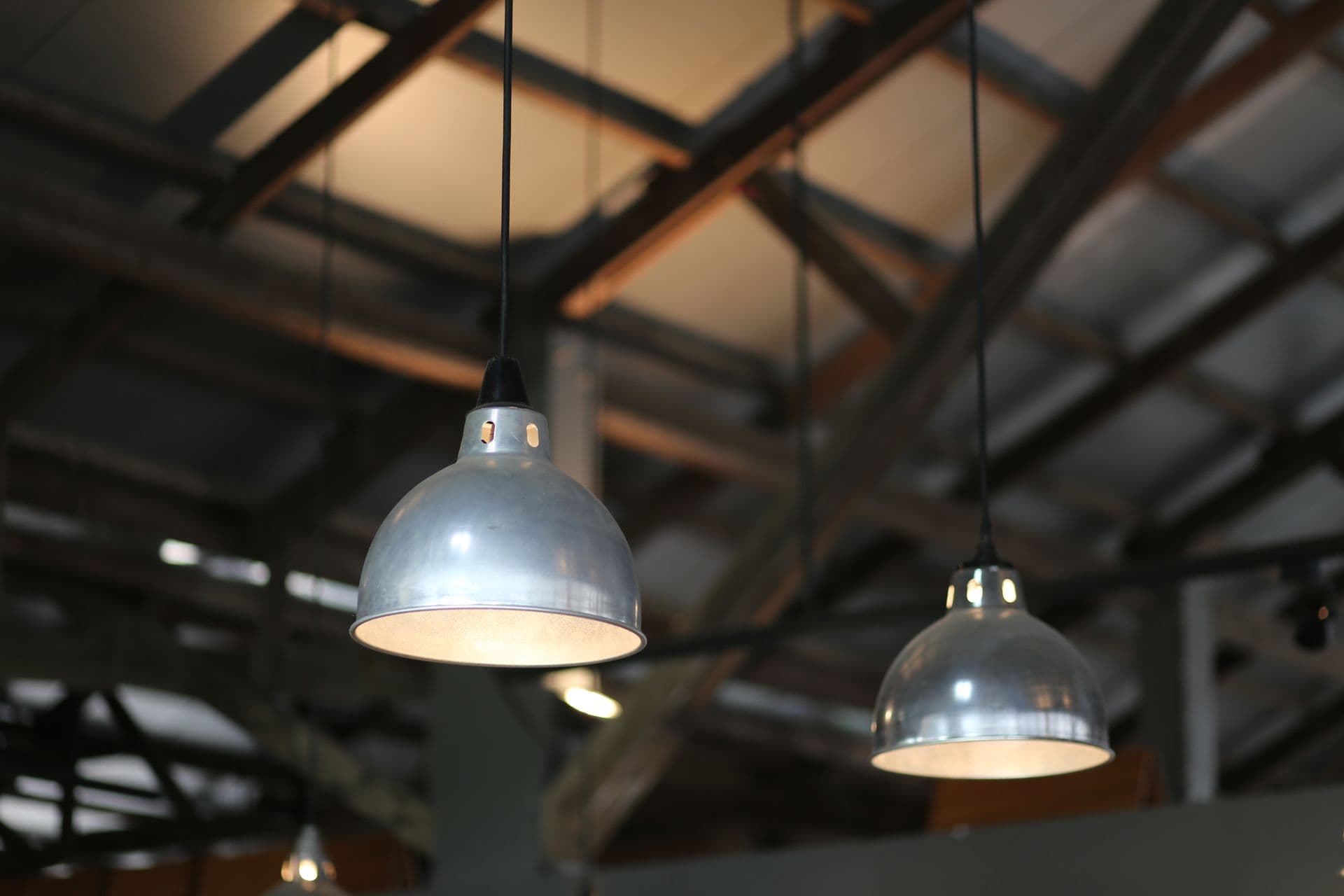
This is a walkthrough of a typical project of this kind, not a specific customer’s job. Your own scope is confirmed on site before any work starts.
What this job covers
The work covers the fixtures, the switching and the circuits behind them: existing housings either retrofitted or replaced outright, controls brought up to something the staff will actually use, and the emergency and exit lighting checked while there is already a lift under the ceiling.
- A fixture-by-fixture count, with a decision per fixture type rather than one decision for the building
- Troffers, high bays, wall packs and pole lighting, each with its own mounting and access problem
- Occupancy sensors, daylight controls or simple zoning in spaces that currently have one switch for everything
- Exit and emergency lighting tested under battery, and replaced where the battery no longer holds
- Old ballasts removed rather than left in a converted housing to fail years later
How the work runs
- Count the fixtures and look at the ceilingNothing is ordered before somebody has been up to a fixture. Mounting height, access, the state of the housings and how many circuits feed each room decide the whole plan, and none of that is visible from the floor.
- Decide retrofit or replace, by typeA sound troffer with a good housing takes a retrofit kit. A corroded wall pack or a high bay with a cracked lens gets replaced outright. A building ending up with a mix of both is normal, not a compromise.
- Permit first, then workThe city publishes a standalone electrical permit application with its own fee schedule, and is blunt about the order of operations: no work is to be done until the permit has been paid and issued. That wait is built into the programme.
- Phase the work around the businessAreas are done in blocks, after hours or section by section, so the floor is never dark during trading. A sales area and a warehouse usually end up on different phases for exactly that reason.
- Change out, rewire and set the controlsFixtures go in, ballasts come out, circuits are landed, and any new sensors or zoning is programmed and then demonstrated to the people who have to live with it.
- Walk the building with the lights onThe finished building is walked at night to find the dark corner the plan missed, and the exit and emergency units are tested on battery before the job is called done.
Things that move the scope
The Downtown Commercial Historic District is a formal district with federal rehabilitation tax credits attached to qualifying work. In those buildings a lighting rebuild usually has to be routed and concealed without disturbing the features that earned the designation, so how a fixture is fixed and fed gets as much thought as which fixture it is.
- A pressed-tin or open-joist ceiling has nowhere to hide a raceway, so surface routing is set out to look deliberate rather than apologetic
- High bays over racking need a lift and a clear aisle beneath them, which is a scheduling problem more than an electrical one
- Circuits sized for metal halide leave real spare capacity once LED is in, and that capacity is worth reusing rather than abandoning
- Lot lighting and wall packs run on buried circuits usually older than the fixtures, so a pole that keeps failing is often the feed rather than the head
A retrofit that swaps lamps and leaves the switching alone gives up much of the benefit. The most efficient fixture in any building is the one that turns itself off in an empty room.
Commercial Lighting questions
No. The work is phased in blocks, after hours or section by section, so one area stays lit and trading while the ceiling above another is open.
It depends on the housing. A sound troffer takes a retrofit kit; a corroded wall pack or a damaged high bay is replaced. Most buildings end up with a mix of the two.
Yes, once a fixture is converted to LED. Leaving a ballast in the housing leaves a component that can fail later inside a fixture nobody expects to have to open again.
Yes, and that is the usual order of things. The city says no work is to be done until the permit has been paid and issued, so we file early rather than waiting on a delivery date.
This walkthrough is one example of Commercial Lighting across the Quad Cities, and of the electrical work we do in Moline, IL. More walkthroughs are on the projects index.
Need commercial lighting in Moline?
24-hour emergency service available