Residential Electrical Repair & Troubleshooting
Most repair calls start with a symptom rather than a cause: one room is dark, a breaker will not stay on, a switch buzzes when you touch it. We trace the circuit back to the fault instead of swapping parts and hoping. That means testing under load, opening the devices on the affected run, and checking terminations at the panel. You get told what failed, why it failed, and what it takes to put it right.
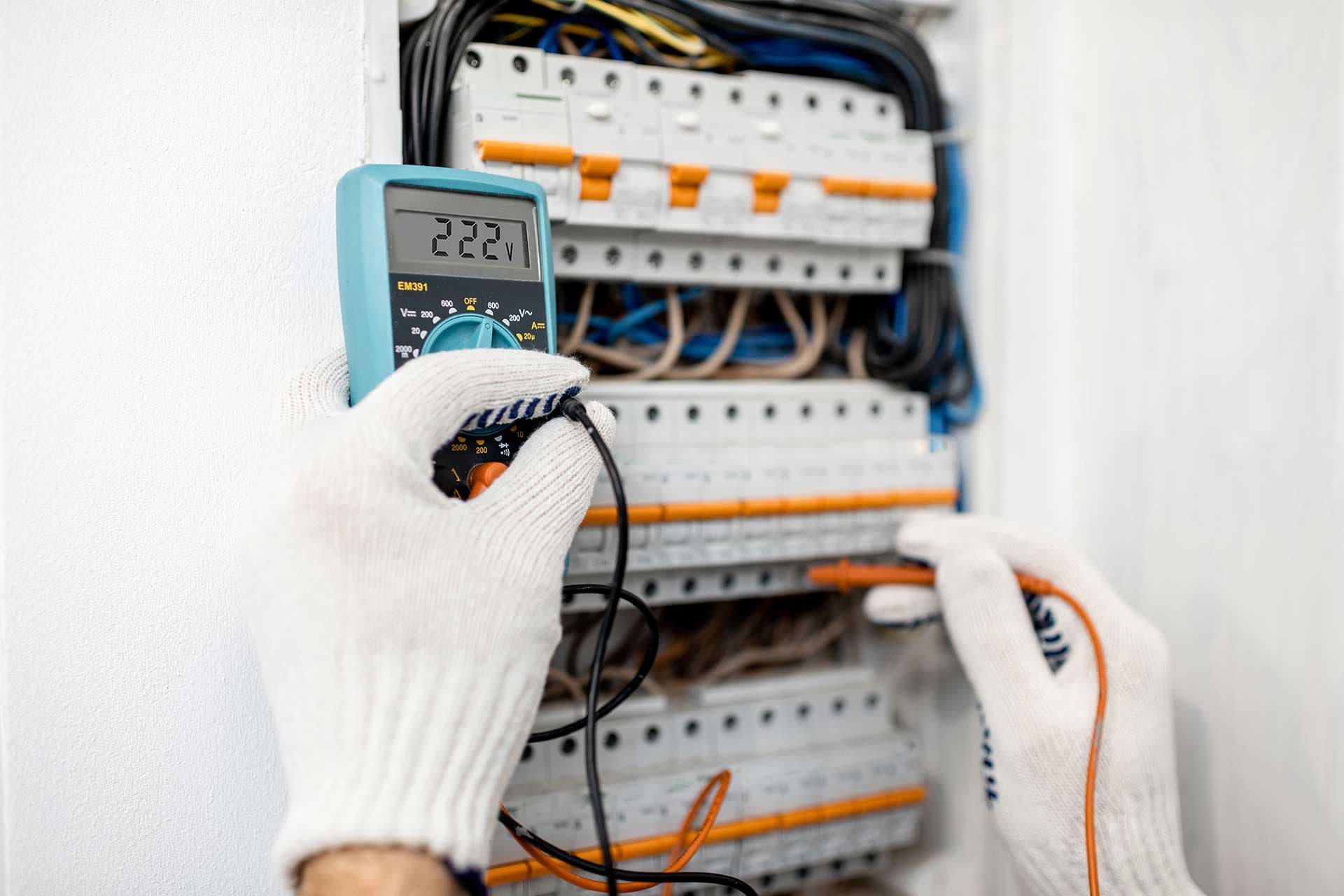
What a troubleshooting call looks like
- Confirm the symptomWe reproduce the fault with you there, because intermittent problems behave differently once the house is loaded up the way it is in the evening.
- Isolate the circuitReadings at the panel and at the first accessible device narrow a whole-room outage down to a single run.
- Open the suspect devicesBack-stabbed receptacles, loose neutrals and heat-damaged terminals are the usual culprits, and they are only visible with the device pulled out of the box.
- Repair and retestWe replace what failed, torque the terminations, and test the circuit under load before the cover plates go back on.
Faults we find most often
- A loose neutral or back-stabbed receptacle killing everything downstream of it
- Aluminum branch wiring at receptacles and switches that was never pigtailed
- Kitchen and bathroom GFCI devices at the end of their life, tripping on their own
- Circuits extended over the years until one breaker carries more than it was wired for
- Heat damage at a breaker or a lug that the panel cover hides
- Buried junction boxes from an old remodel, spliced and then drywalled over
When a repair points at something bigger
Sometimes the fix is a ten-minute device change. Sometimes the same outlet is the third failure on one overloaded circuit, or the insulation crumbles off the conductors as soon as they move. We will tell you which one you have, and we will not sell you a rewire to cure a loose screw.
Frequently asked questions
Why does the same breaker keep tripping?
A breaker that trips repeatedly is doing its job. Either the circuit is carrying more load than it was wired for, or there is a fault on it. We measure the actual draw before deciding which.
Can one bad outlet take out a whole room?
Yes. Receptacles are usually wired in a chain, so a failed connection at the first one kills everything past it. That is why we start at the panel and work along the run.
Is a warm switch or a buzzing outlet urgent?
Heat and noise mean a loose or arcing connection, and that is how electrical fires start. Switch that circuit off at the panel and call us. Emergency calls are answered around the clock.
How long does electrical troubleshooting take?
Most single-circuit faults are found and repaired in one visit. Intermittent problems that only appear in certain weather or under certain loads can take a second visit, and we will say so rather than guess.
Should I be home while you diagnose the problem?
If you can be, yes. You know when the problem happens and what was running at the time, and that detail regularly saves an hour of testing.
Available in
Related services
Read more
Need an electrician in the Quad Cities?
24-hour emergency service available