
Hot Tub Circuit, Disconnect and Bonding: A Typical East Moline Project
Most spa calls reach us about a week before delivery, which is usually the moment somebody reads the manual and finds the words "dedicated GFCI circuit". In East Moline the work is permitted and inspected by the city's own inspections department, so the wiring gets planned around that as much as around the tub. This walkthrough covers how a typical spa circuit goes in.
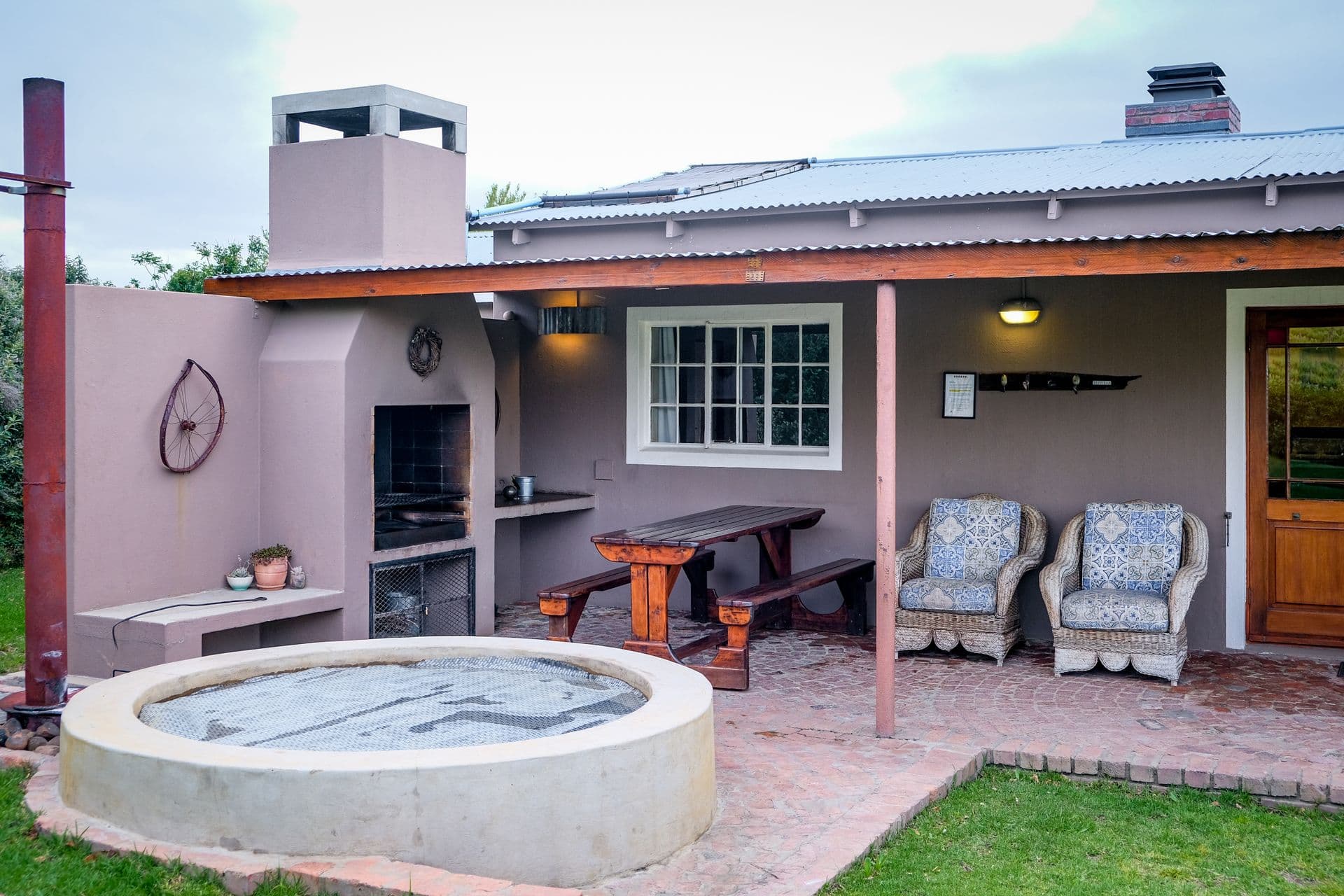
This is a walkthrough of a typical project of this kind, not a specific customer’s job. Your own scope is confirmed on site before any work starts.
What this job covers
The circuit starts at the panel and ends in the tub’s equipment bay. Between the two sit a breaker, a buried or surface feed, a GFCI disconnect a bather can reach but not from inside the water, and the bonding that ties the metal parts together at the same potential.
- A dedicated breaker sized from the tub’s own data plate rather than from a rule of thumb
- A GFCI disconnect within sight of the tub and set back from the water by the distance the NEC requires
- The feed run in conduit at the depth the code sets for the method used, or surface routed where the layout allows it
- Bonding of the tub’s metal parts, the pump and any metal within reach of someone in the water
- Panel capacity confirmed first, because a large spa breaker on a full older service is a service conversation, not a spa one
How the work runs
- Read the tub’s data plateThe manufacturer states the breaker size, the conductor size and whether the unit runs at 120 or 240 volts. Everything downstream is sized from that sheet, and guessing before the tub arrives is how a circuit ends up being pulled twice.
- Check the panelWe confirm there is both a space and the capacity for the load. This is the step that occasionally turns a spa circuit into a panel discussion, and it is far better to have that discussion now than on delivery morning.
- Permit and contractor registrationThe city requires contractors to register on its own bond form before they can apply, and runs permits through its online portal. Our registration is already in place, so the application goes in without the job stalling at the paperwork.
- Route and run the feedThe run from the panel to the pad is trenched or surface routed in conduit, kept clear of whatever else is buried. Where an overhead line is anywhere near the plan, the city’s MidAmerican Energy clearance form is sorted out before anything is dug.
- Set the disconnect and land the circuitThe GFCI disconnect goes on a post or a wall where it can be reached from outside the tub, and the feed is landed at the panel and in the equipment bay.
- Bond, test and inspectThe bonding is made up, the GFCI is tripped and reset in front of us, and the city inspects the installation before the tub is filled and used.
Things that move the scope
The city keeps a building and electrical inspector on staff, holds counter hours at the start and end of the day with field inspections in between, and inspects to the 2018 International Codes. The practical effect on a spa job is that the inspection slot is booked into the schedule rather than chased after the work is done.
- A deck already built over the intended route turns a straight trench into a fished run, so it is worth looking underneath before the tub is ordered
- Frozen ground and a midwinter delivery date do not mix with trenching, and a winter installation is planned differently from a summer one
- A plug-in 120-volt spa is a smaller job but still needs a dedicated GFCI circuit of its own rather than an extension cord
- Bonding is the part most people have never heard of and the part that matters most, because it keeps the metal a bather can touch all at one potential
Nothing is handed over until the GFCI has been tripped and reset while we watch. A spa circuit that has never been tested is a spa circuit nobody has actually checked.
Hot Tub & Pool Wiring questions
Within sight of the tub and set back from the water by the distance the NEC requires, so it can be reached in an emergency but not from inside the tub. The inspector measures it.
No. A spa needs a dedicated circuit sized from its own data plate. Sharing one is what trips a breaker every time the heater and the pump happen to run together.
Bonding ties the metal around the tub together so every piece sits at the same electrical potential. It is what stops a fault turning a handrail or a pump housing into a shock hazard.
About a week is comfortable. It leaves time to confirm panel capacity, pull the permit, run the feed and book the inspection before the tub lands on the pad.
This walkthrough is one example of Hot Tub & Pool Wiring across the Quad Cities, and of the electrical work we do in East Moline, IL. More walkthroughs are on the projects index.
Need hot tub & pool wiring in East Moline?
24-hour emergency service available