
Standby Generator and Transfer Switch: A Typical Bettendorf Project
A standby generator installation is really two pieces of work that meet at the transfer switch: a set outside on a pad, and the switching gear beside the panel that decides what the house runs on. Bettendorf is where our shop sits, on Devils Glen Road, so these are close-to-home installations for us. This walkthrough covers a typical one, from siting the unit to the first exercise cycle.
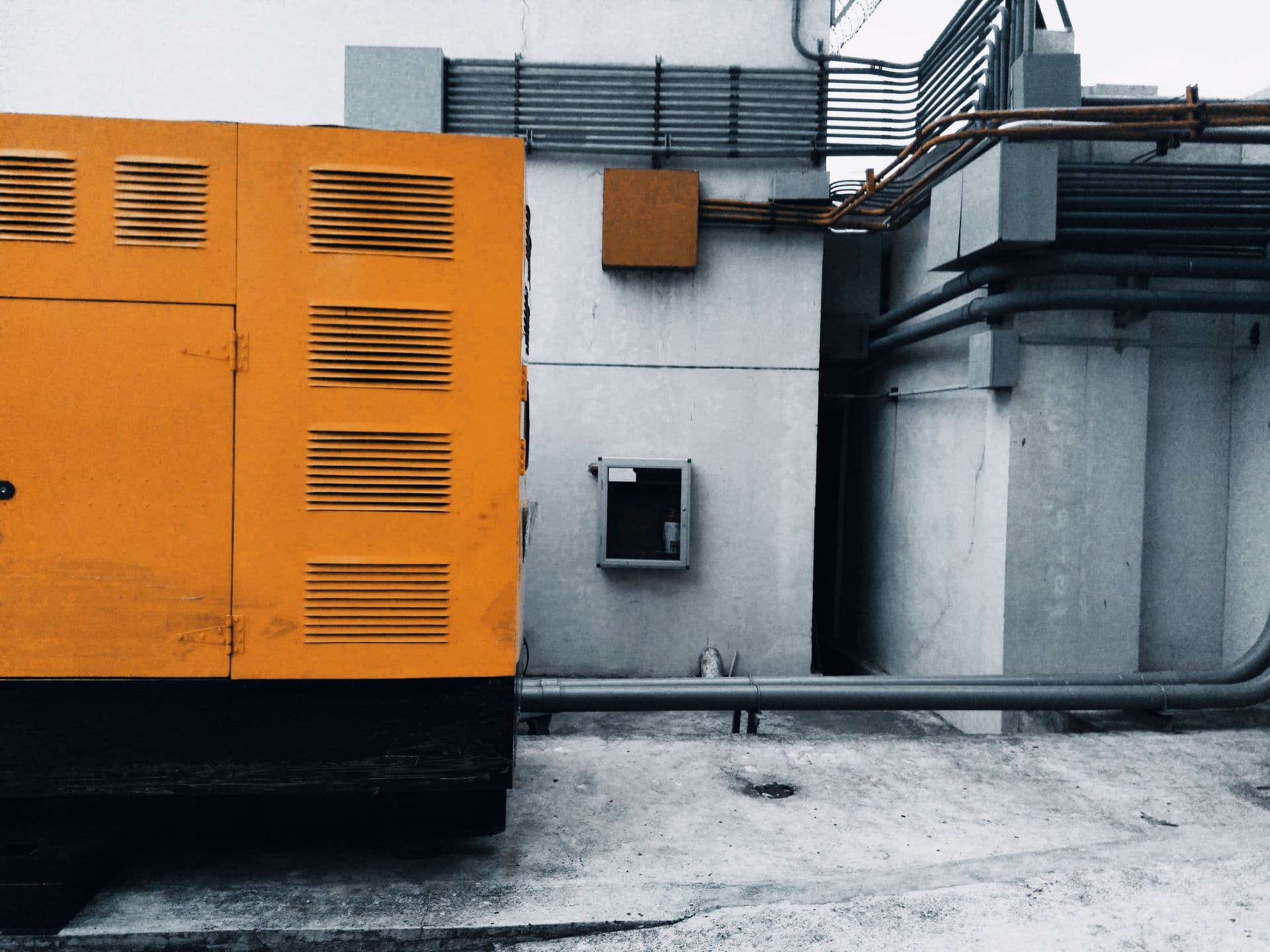
This is a walkthrough of a typical project of this kind, not a specific customer’s job. Your own scope is confirmed on site before any work starts.
What this job covers
The electrical side is ours: the transfer switch, the feeder between the switch and the panel, the generator’s control wiring and the circuits that stay live when the utility drops out. The fuel connection is made by the gas trade, and the two schedules are coordinated rather than run past each other.
- A transfer switch, either whole-home or feeding a dedicated emergency subpanel
- A subpanel carrying the circuits worth backing up: furnace, sump pump, refrigerator, well pump where there is one, and enough lighting to move around safely
- Grounding, bonding and neutral handling set up for the switch being used, which is the part that keeps the set off the utility line
- A level pad and the conduit run between the set and the house
- Startup, a load test and a walk-through of the exercise schedule with whoever lives there
How the work runs
- Decide what the set has to carryWhole-home or essential circuits is the first question, because it sizes the generator and the switch and nothing can be ordered until it is answered. We write the circuit list down with the homeowner rather than assuming it.
- Site the unitThe set needs clearance from windows, doors, vents and the lot line, a level base, and a run back to the meter short enough to be practical. Siting is settled outside with a tape measure before the pad is poured, not from a drawing.
- Permit and inspection bookedThe city runs its own permitting and licensing site, with an electrical application on it alongside a separate one for temporary service. We file as the licensed contractor, schedule the inspection and meet the inspector on site.
- Pad, conduit and transfer switchThe pad is set, conduit is run to the house, and the switch goes in beside the meter or the panel. Where an emergency subpanel is used, the backed-up circuits are moved across to it and relabelled at both boards.
- Interconnection and control wiringThe generator feed and its control conductors are landed, grounding and bonding are set for the switch type, and the utility side is confirmed safe before anything is energised.
- Startup and load testWe run a changeover with the utility switched off, watch the transfer and the retransfer, and set the exercise timer. You see exactly what the house does during the switch, including what does not come back.
Things that move the scope
Working in the city the shop sits in changes the practical side more than the technical one. Parts come off our own shelves rather than a supply house two towns over, most Quad Cities calls are reached in under an hour, and a return visit to adjust a detail is a short drive rather than a scheduling problem. The decisions below are the ones that actually move the job.
- An air-cooled set on a narrow lot can meet its clearance limits from windows and the property line long before it meets an electrical one
- A whole-home switch needs a service with the capacity behind it; on an older 100-amp service an essential-circuits subpanel is usually the sensible answer
- Well pumps and other large motors draw far more starting current than running current, and that is what sizes the set, not the nameplate total
- Fuel supply rather than electrical capacity is often the real limit, so the gas trade is involved before a model is chosen
A portable generator fed through an inlet and a proper interlock is a legitimate alternative and is wired to the same standard. It asks the household for a few minutes of manual work at the start of every outage instead of none.
Home Generators questions
With an automatic transfer switch, yes. The switch senses the loss, starts the set, transfers the load, then puts the house back on the utility and shuts the engine down when it returns.
Both are common. A whole-home switch needs a service with the capacity to match. An essential-circuits subpanel backs the furnace, the sump, the refrigerator and lighting from a smaller set.
Not through a correctly installed transfer switch, which is the entire point of one. The switch makes it physically impossible for the generator and the utility to be connected to the house at the same time.
The weekly exercise cycle most units ship with is worth leaving switched on. A set that runs regularly is the one that starts on the night it is needed.
This walkthrough is one example of Home Generators across the Quad Cities, and of the electrical work we do in Bettendorf, IA. More walkthroughs are on the projects index.
Need home generators in Bettendorf?
24-hour emergency service available